Retrospective Reviews
Revisit historic expenditure with combined surveying and tax expertise.
We work clients and their existing advisers to understand the original treatment, identify legitimate opportunities and reconcile any additional qualifying expenditure with previous claims, avoiding duplication and preparing a robust, well-supported position.
Historic expenditure may warrant a fresh review
There are many legitimate reasons why capital allowances may not have been fully explored or optimised at the time. The business may have been loss-making, the potential benefit may not have justified a detailed review, information may have been incomplete, or the original exercise may have focused on particular projects, assets or relief categories.
A retrospective review therefore begins by understanding the backstory. We combine surveying analysis of the property and expenditure with tax expertise to reconcile historic costs against previous claims, tax records and available evidence. This establishes what has already been claimed, prevents duplication and identifies any further entitlement on a supportable basis.
Where additional relief is available, we work through the findings with the client and its existing advisers, explain the methodology and areas of judgement, and agree the appropriate treatment before the revised position is filed.
Understand the original treatment
Establish what was reviewed and claimed previously, the information available at the time and the commercial or technical reasons for the approach taken.
Reconstruct and reconcile the position
Reconcile historic expenditure with fixed-asset records, tax computations and earlier capital allowances claims to identify the expenditure already relieved and avoid double claims.
Apply surveying and tax expertise
Analyse the property, project records and surviving evidence alongside the applicable tax requirements to identify any further qualifying expenditure and apply the relevant restrictions.
Build confidence in the revised position
Work collaboratively with the existing teams to test the findings, resolve questions and prepare transparent schedules and supporting evidence for the revised claim.
A retrospective review is not a criticism of the original claim. It is an opportunity to reconsider historic expenditure using the records now available, specialist surveying and tax expertise, and a rigorous reconciliation that protects against duplication.
Retrospective experience
Every retrospective review has a different history. These examples show how we combine surveying and tax expertise, reconcile earlier claims to prevent duplication, and work with clients and their existing advisers to reach a robust, agreed position.

Appropriation from stock
The backstory
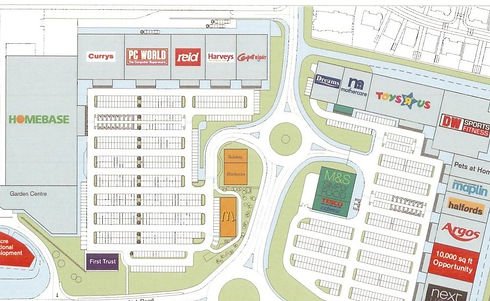
The developer changed its business model from trader to investor and appropriated to its balance sheet a retail park developed in phases over more than a decade. As its trading status and tax position changed, the client and its existing adviser wanted to establish the capital allowances available.
Review and reconciliation
We reconciled the historic project expenditure with the fixed asset register, inspected the property and prepared a detailed analysis using our surveying and specialist tax expertise.
Collaborative review
We presented the findings and methodology to the client and its existing adviser, working through the historic expenditure, changes in tax legislation, available evidence and areas of technical judgement.
Agreed outcome
A fully supported claim report with schedules of qualifying expenditure reconciled to the multiple years of expenditure was prepared and made available for submission to HMRC.
Project value: £20m
Additional Qualifying fixtures: £1.1m
SBAs: Not applicable

Change in tax position
The backstory
The business had historically been loss-making, so a detailed capital allowances review had not been commercially prioritised. As its tax position changed, the client and its existing adviser wanted to understand what further relief remained available for its phased refurbishment of a property.
Review and reconciliation
We collated the available historic project information and reconciled the expenditure with the fixed asset register, tax computations and earlier capital allowances claims to prevent duplication.
Collaborative review
We presented the findings and methodology to the client and its existing adviser, working through the historic treatment, available evidence and areas of technical judgement.
Agreed outcome
A fully supported claim report with schedules of qualifying expenditure reconciled to the multiple years of expenditure for the project(s) was prepared and made available for submission to HMRC.
Project(s) value: £3.3m
Additional qualifying fixtures: £2.4m
SBAs: £830k

Incomplete records
The backstory
A hotel owner had converted an existing building into a 187-bedroom hotel under a development agreement that provided limited cost information. The client and its existing adviser wanted to revisit the expenditure and undertake a more detailed analysis.
Review and reconciliation
We collated the development agreement, specification, underlying building contract and planning documents, then inspected the property to address gaps in the available records using our surveying expertise
Collaborative review
We presented the findings and methodology to the client and its existing adviser, working through the historic treatment, available evidence and areas of technical judgement.
Agreed outcome
A fully supported claim report with schedules of qualifying expenditure reconciled to the ledgers was prepared and made available for submission to HMRC.
Project Value: £20.5m
Additional qualifying fixtures: £12.5m
SBAs: Not applicable
The purpose is not to revisit history indiscriminately. It is to understand the original position, prevent double claims and establish whether further relief can now be supported with confidence.
Revisit historical expenditure with confidence
Whether the review concerns a single project, a historic acquisition or expenditure across a wider portfolio, we can reconstruct the original position, reconcile previous claims and work with your existing advisers to establish whether further relief can be supported.